




AstraZeneca has agreed to grant the charity Cancer Research UK (CRUK) access to its library of cancer-related molecules.
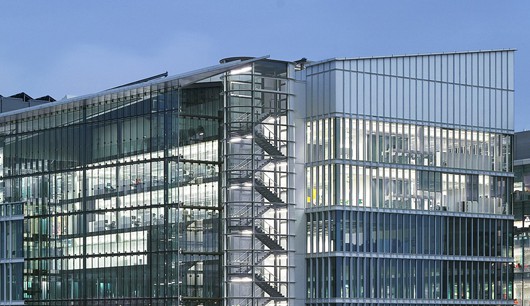
Scientists from CRUK’s drug discovery units will have access to over two million molecules from AZ’s compound library, as well as screening tools all located at the new site to be built in Cambridge.
It builds on a five-year collaboration between the two partners that was agreed in September .
Alexa Smith, CRUK’s head of translational research funding, said: “Having access to AstraZeneca’s extensive compound library and innovative drug discovery technology will help our researchers quickly translate new discoveries into patient benefit.
“We hope this initial proposed agreement will develop into a longer term arrangement that will boost our drug discovery capabilities further, with scope to develop similar strategic partnerships with other leading drug discovery organisations in future.”
CRUK and AZ screening scientists will work together on up to five drug screenings per year. CRUK will decide which novel cancer drug discovery projects to pursue while AZ has the option to negotiate commercial licensing rights with Cancer Research Technology, CRUK’s commercial branch.
Screening methods will be used to identify lead compounds, including fragment-based lead generation in which small chemical fragments are screened against drug targets.
Menelas Pangalos, executive VP of innovative medicines and early development at AZ, said: “This research programme at the AstraZeneca MRC UK Centre for Lead Discovery demonstrates how we will create a truly permeable research environment at out new site in Cambridge.
“We intend for our scientists to working alongside leading Cancer Research UK scientists, taking advantage of our world-class facilities to push the boundaries of science and accelerate oncology drug discovery.”