




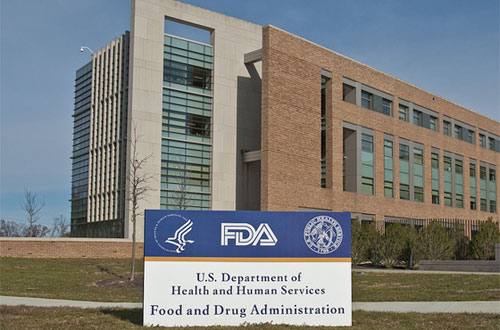
An FDA advisory committee has voted in favour of approval for Basilea/Astellas novel antifungal Cresemba, tipped by some analysts to become a $500m-plus product at peak.
The panel gave its blessing to Cresemba (isavuconazole) in both intravenous and oral formulations as treatments for adults with invasive aspergillosis and invasive mucormycosis, two life-threatening fungal infections typically seen in immunocompromised patients.
Current FDA-approved therapies for treatment of invasive aspergillosis include amphotericin formulations, itraconazole, voriconazole, and Merck & Co’s Cancidas (caspofungin). At the moment, only amphotericin B is approved for the treatment of invasive mucormycosis.
In trials, Cresemba was found to be equivalent to voriconazole – the recommended first-line treatment for patients with invasive fungal infections, on safety and efficacy measures including al-cause mortality. It was also shown to be safe and effective in patients with kidney problems, a group in which voriconazole may require dose adjustment.
Cresemba had been awarded Qualified Infectious Disease Product (QIDP) status by the FDA as a drug intended to treat serious or life-threatening infections that have the potential to pose serious threat to public health.
Switzerland-based Basilea and Astellas are conducting a phase III trial in a third indication – invasive candidiasis – which is expected to generate results later this year. Cresemba has also been awarded QIDP status by the FDA in this type of fungal infection.
Astellas acquired a worldwide license to isavuconazole from Basilea in 2010 in a deal valued at up to 550m Swiss francs, with the Swiss company also standing to receive double-digit royalties on sales. Isavuconazole has also been submitted for approval in Europe with a verdict due before the end of 2015.
The global market for human antifungal therapeutics is expected to grow to nearly $13.9bn by 2018, with a five-year compound annual growth rate (CAGR) of 3.2%, with the rate of infections rising due to increased use of antibiotics and immunosuppressive drugs, including cancer therapies, according to market research firm BCC.