



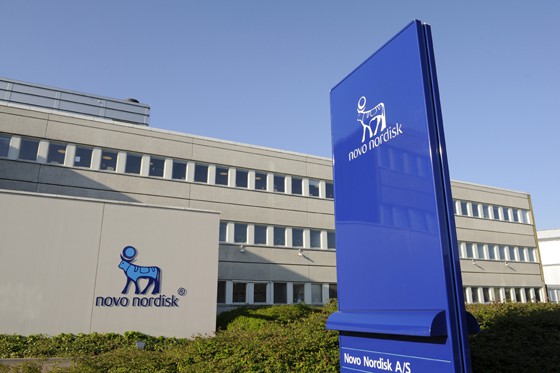
Novo Nordisk has bolstered its biopharma unit with a global licensing deal for a small-molecule drug for genetic blood disorders sickle cell disease and beta thalassaemia.
The Danish drugmaker is paying $400m overall for rights to the EPI01 programme in haematology, which includes an upfront fee and development and sales milestone payments, as well as royalties on sales.
Described as a foetal haemoglobin (HbF) inducer, EPI01 is designed to switch off the genes that restrict HbF production and raise its levels in the body. The foetal form is thought to dilute the impaired haemoglobin (HbS) in SCD, improving the overall ability of the drug to carry oxygen and reducing destruction of blood cells. In turn, it is hoped, that should reduce the organ damage and pain experienced by patients.
If that turns out to be true, EPI01 could be an alternative to hydroxyurea, a drug that has been used for years in SCD and seems to stimulate HbF but has problems with toxicity. And as an oral, once-daily drug EpiDestiny’s candidate could be easier to administer – and likely much cheaper – than gene therapies that are in development for SCD and beta-thalassaemia.
The drug has already cleared a phase I trial in SCD patients that has backed up its safety over an eight-week treatment period, and is expected to start phase II in the coming months.
The deal gives Novo Nordisk a new pipeline candidate at a time when its biopharma unit – and particularly haemophilia franchise – is facing greater competition in the market.
With operating conditions increasingly tough for its core diabetes franchise as well, Novo has been trying to grow its pipeline, but an attempt to buy Ablynx and its lead product caplacizumab ended in failure after the biotech agreed instead to pair up with Sanofi.
“This is a great opportunity for Novo Nordisk to enter into a new therapeutic area closely related to our existing biopharmaceutical business,” said Mads Krogsgaard Thomsen, the company’s chief science officer. The collaboration will “utilise our core R&D and commercial capabilities to make a significant difference for patients living with a serious chronic disease”, he added.
EpiDestiny is hanging on to rights for the drug as a cancer immunotherapy for p53-mediated diseases such as acute promyelocytic leukaemia (APL), and has said it expects to start phase II/III trials of the drug in oncology before the end of the year.